America’s Most Endangered Big Cat Is Running Out of Time
The Florida panther is one of the most endangered mammals on Earth. Once found throughout the southeastern United States, today only a small population remains — isolated in South Florida and struggling to survive against overwhelming human pressure.
Scientists estimate that only a few hundred Florida panthers remain in the wild.
Without immediate action to protect habitat and reduce human-caused deaths, this iconic species could disappear forever.
The Florida panther is more than a symbol of wild Florida — it is a federally protected endangered species whose survival represents the health of an entire ecosystem. If the panther disappears, countless other species and critical natural habitats will suffer alongside it.
Why Florida Panthers Are Dying
The greatest threat to the Florida panther is habitat loss.
Panthers need enormous connected landscapes to survive. Males can require more than 200 square miles of territory, while females need secure habitat to safely raise kittens. But Florida’s rapid development is destroying and fragmenting the wild lands they depend on.
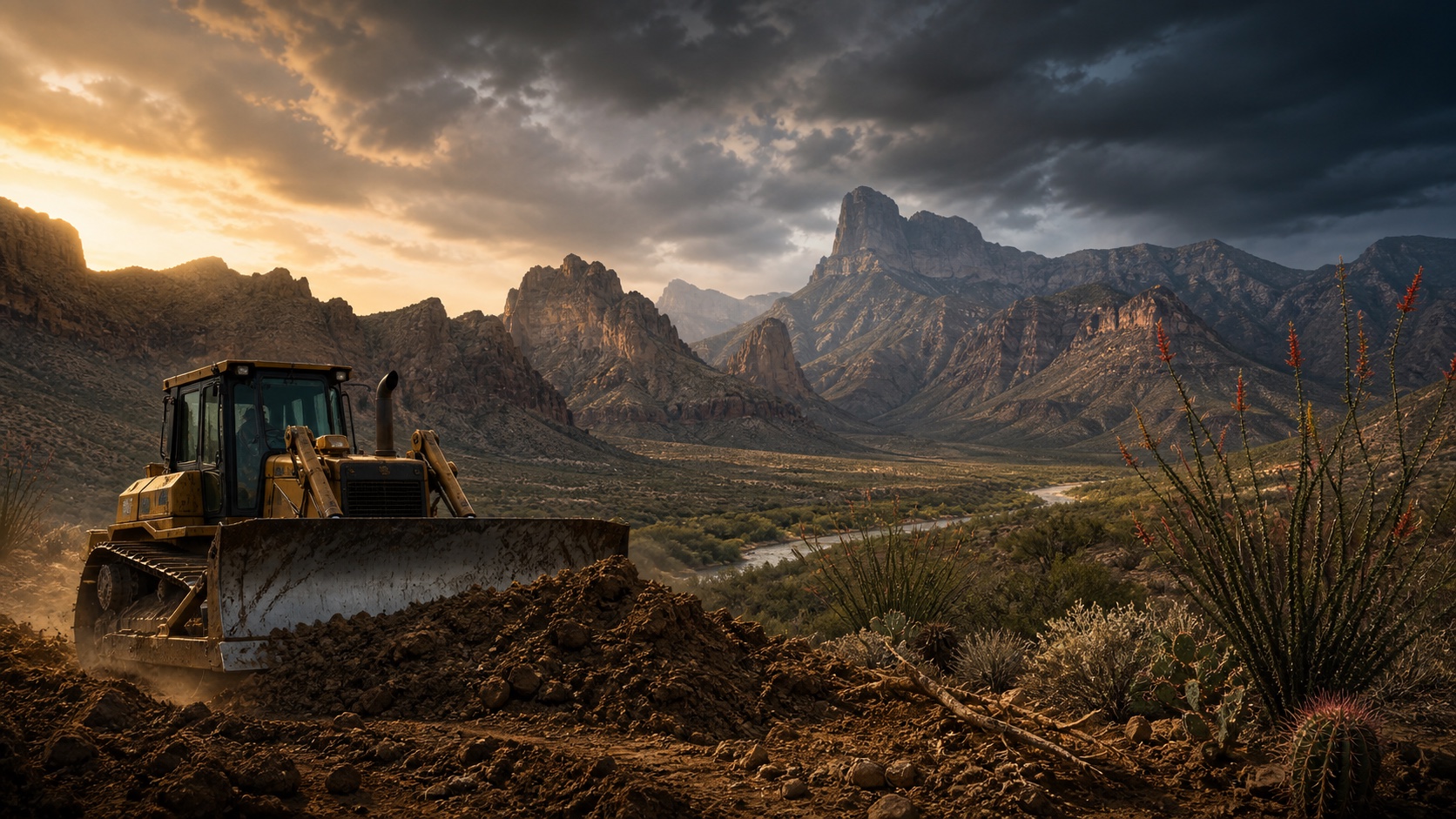
Every new subdivision, highway, shopping center, and roadway cuts deeper into panther habitat.
As their world shrinks, panthers face:
- Deadly vehicle collisions
- Isolation and inbreeding
- Loss of prey and water resources
- Increased territorial conflict
- Human-wildlife encounters
- Reduced breeding success
Vehicle strikes alone kill panthers every year, often removing healthy breeding adults from an already fragile population.
For an endangered species with such low numbers, every death matters.
Wildlife Corridors Are Essential for Survival
Florida panthers cannot survive if their habitat becomes isolated and disconnected.
Wildlife corridors are protected natural pathways that allow panthers and other wildlife to safely move between habitats. These corridors connect forests, wetlands, and conservation lands that would otherwise become trapped between roads and development.
Without connected corridors:
- Panthers become isolated from potential mates
- Genetic diversity declines
- Inbreeding increases
- Young panthers cannot establish new territories
- Road crossings become more dangerous
- Populations become trapped and vulnerable to extinction
Wildlife corridors are not optional — they are essential to the long-term survival of the Florida panther.
Projects such as protected greenways, conservation easements, and wildlife underpasses help reduce deadly vehicle strikes and allow panthers to safely move across the landscape. These connected habitats also protect black bears, deer, birds, pollinators, and countless other species that depend on healthy ecosystems.
When we protect corridors, we protect the future of Florida’s wildlife.
Habitat Protection Is the Key to Recovery
Florida panthers cannot survive in isolated pockets of wilderness surrounded by unchecked development. They need large, connected landscapes where they can hunt, breed, and safely raise their young.
Saving the Florida panther requires:
- Permanent protection of critical habitat
- Preservation and expansion of wildlife corridors
- Smarter growth and responsible development
- More wildlife underpasses and road crossings
- Reduced habitat fragmentation
- Strong enforcement of endangered species protections
- Long-term conservation funding
Conservation works when we give wildlife the space it needs to survive.
Where habitat is protected, panthers persist.
Where habitat is destroyed, panthers disappear.
The Florida Panther Still Has a Chance — But Only If We Act Now
The choices we make today will determine whether future generations inherit a wild Florida with panthers still roaming its forests and wetlands — or only stories of what once existed.
Extinction is not inevitable.
But survival depends on public action, stronger conservation policies, and the protection of the remaining wild lands and wildlife corridors panthers need to live.
Sign the Petition to Protect the Florida Panther
By signing this petition, you are helping demand:
- Stronger protection for endangered Florida panthers
- Preservation of critical habitat and wildlife corridors
- Responsible development policies
- Safer road crossings for wildlife
- Permanent conservation of connected wild lands
- A future where panthers remain part of Florida’s natural heritage
The Florida panther cannot survive without protected land.
And protected land cannot survive without people willing to stand up and defend it.