Partnered with Farm to Table Vegan Restaurant to give my presentations to people while they enjoy dinner in Jacksonville. This is an ongoing endeavor.
Going vegan helps protect wildlife in several keyways, mostly tied to how animal agriculture affects land use, ecosystems, and climate. Here’s a breakdown:
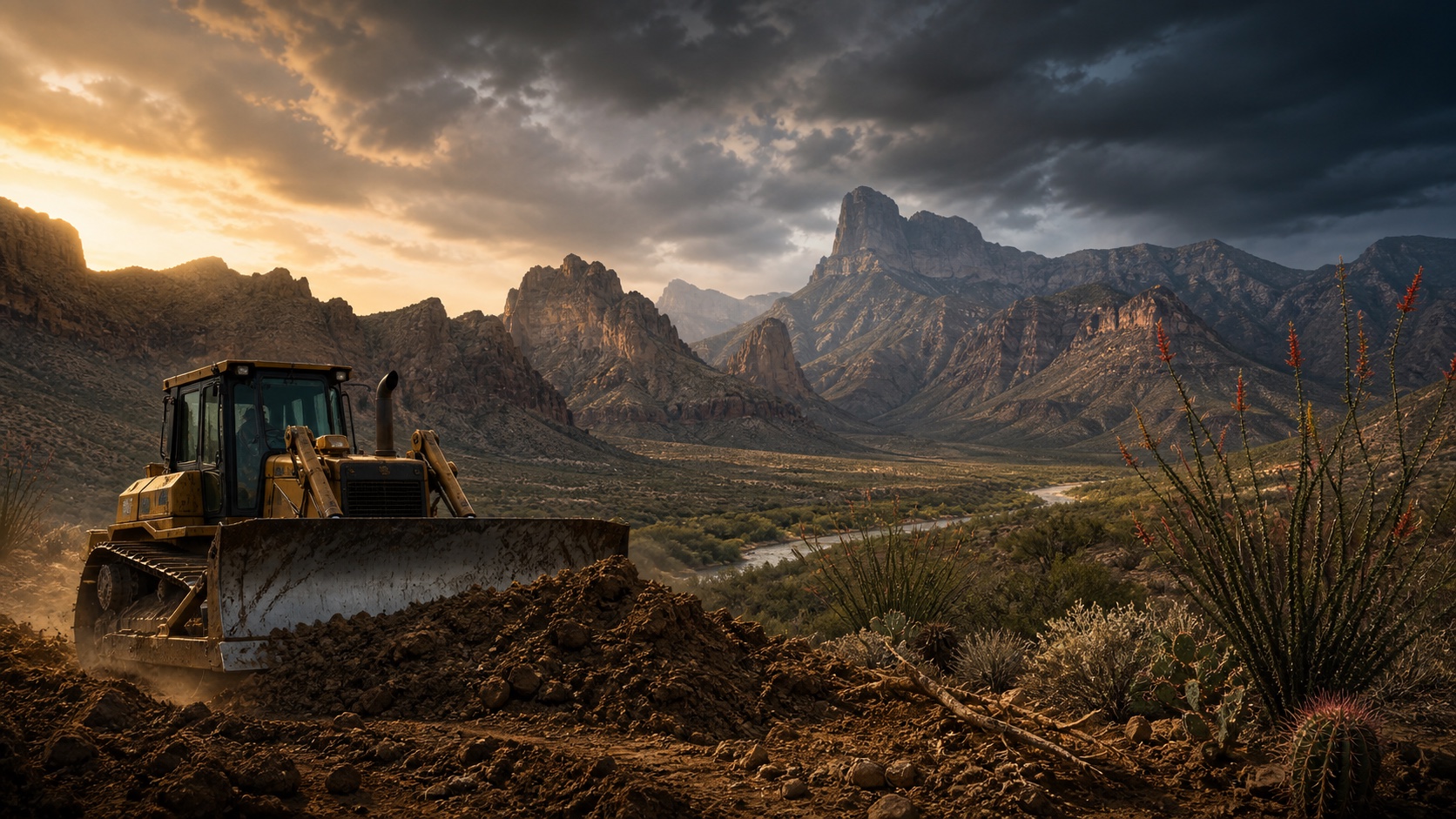
- Reduces Habitat Destruction: Animal agriculture is the leading cause of deforestation and land conversion, especially in biodiverse regions like the Amazon rainforest. Forests and wildlands are cleared to graze livestock or grow crops like soy — but the majority of that soy (over 75%) is fed to farm animals, not people. When you go vegan, you reduce demand for these industries, indirectly preserving habitats for wild animals.
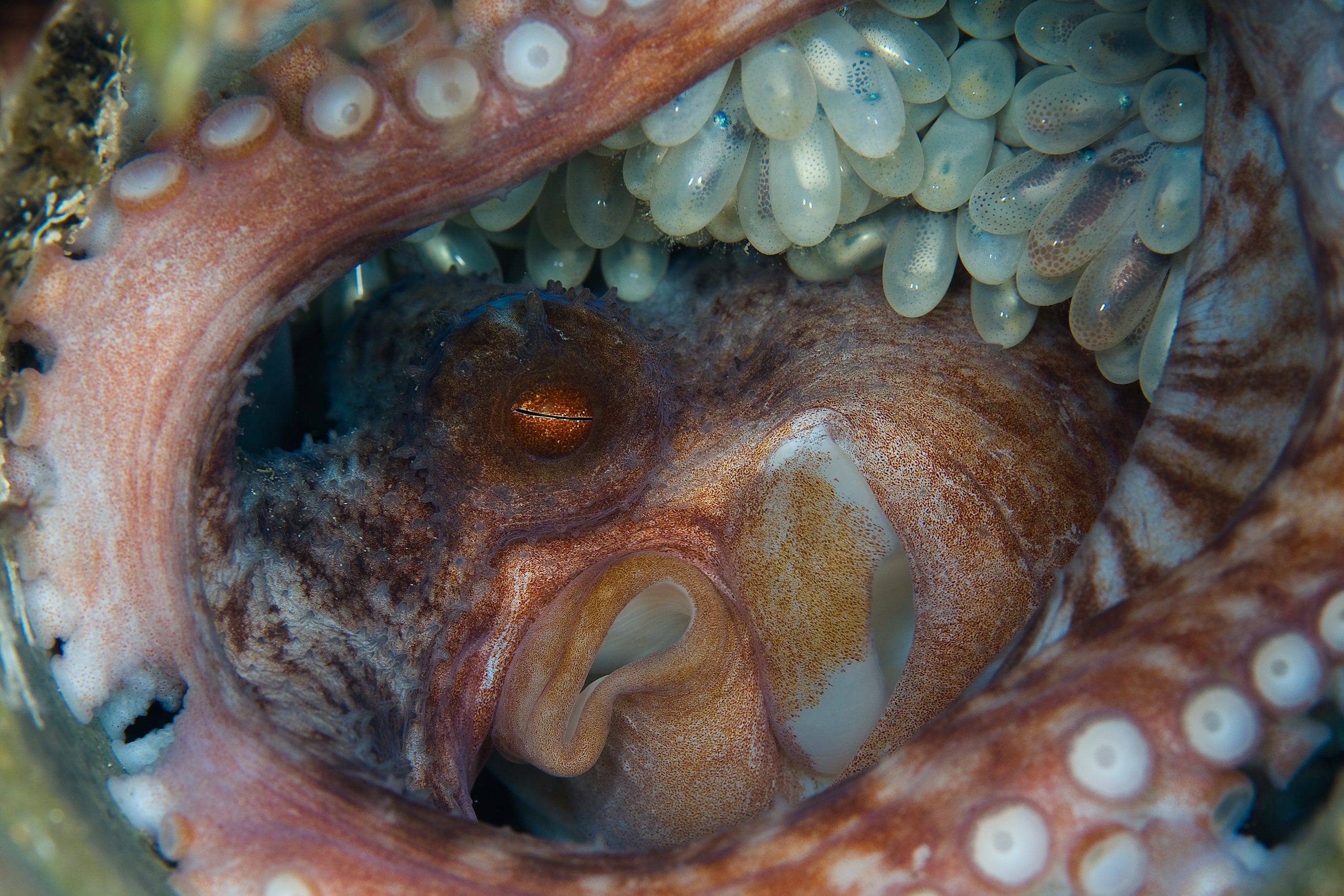
- Protects Water Ecosystems: Factory farms produce vast amounts of manure and waste, which often pollute rivers, lakes, and oceans. This leads to dead zones, algal blooms, and the decline of aquatic wildlife. Vegan diets significantly reduce the agricultural runoff that harms marine and freshwater ecosystems.
- Uses Less Land and Resources: Producing animal products requires far more land, water, and crops than growing plant-based food for direct human consumption. By eating plants directly, we can feed more people using less land, leaving more space for wild animals to live.